Making Changes to Employment Agreements
 Di Crawford Errington
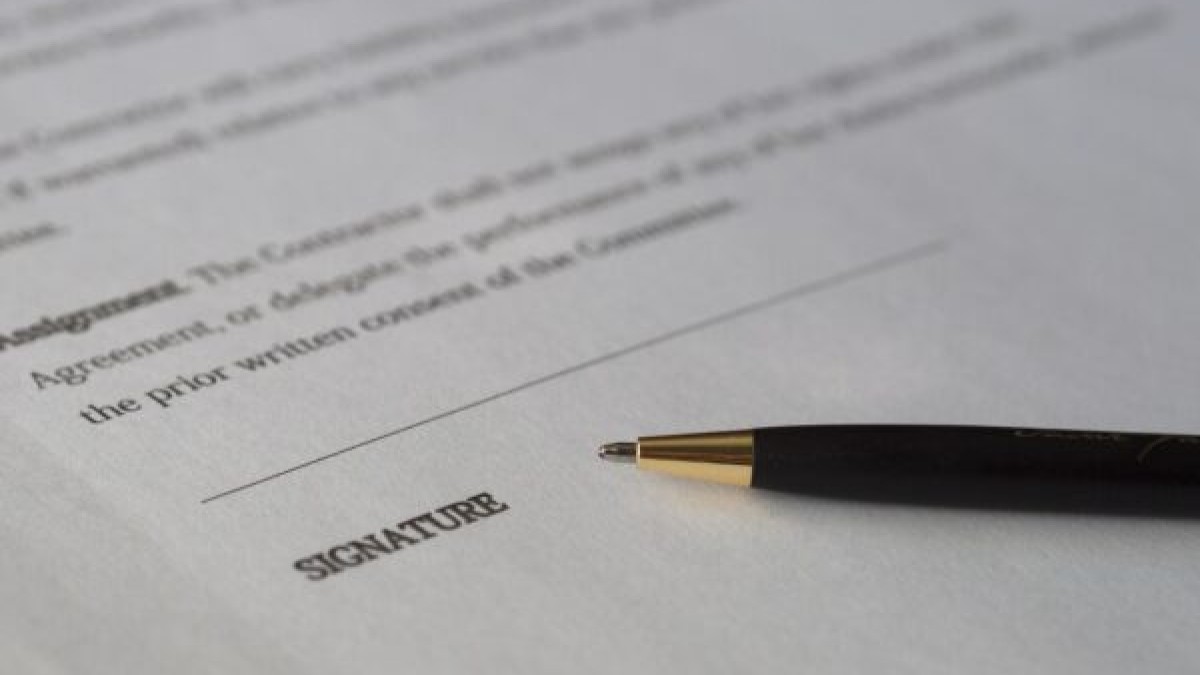
NZ employers: learn how to document changes to employment agreements and avoid legal issues with staff terms.
Previously published August 12th 2018
From time to time, the terms under which you have employed a team member originally may change. This could be as simple as giving them a payrise, or slightly more complicated such as changing from a permanent full time agreement to a casual basis. It’s important to document each change in writing to ensure you, and your employee, remain on the same page and understand the expectations of the employment relationship.
It’s good practice before any changes are made to review the individual employment agreement (IEA) in full and check to see if anything does actually requiring formal changes in writing. Normally, an IEA will contain a clause like this:
“This employment agreement sets out the whole of the agreement between the parties. It replaces all previous written or oral agreements or understandings. Variations to this agreement must be in writing and signed by both parties.”
The above clause enables the employer (you) to make changes in good faith providing you have discussed the proposed changes in full and issued the employee with a variation in writing detailing the changes, giving the employee time to seek independent advice if required. I would not recommend any significant change to an IEA (such as change of hours, position or employment type) be communicated to the employee by way of email, you’re better off detailing the proposed changes in a letter to the employee that has a space for them to sign at the bottom and return a copy to you.
Normally you don’t have to issue an entirely new agreement (only under certain circumstances), just provide them with a letter detailing the proposed changes. So, what should the letter say?
You’ll need to cover off certain points, such as:
- Identify the original employment agreement, normally by referencing to the date it was signed
- Explain why the change is needed
- Identify what clause or clauses will be modified in the original employment agreement
- Set out the new wording that will replace the previous wording
- Ask the employee to confirm their agreement
Take the opportunity to sit down with your employee and go over the letter when you give it to them, even if you’ve been talking with them about the change for a while, so you can ensure they understand what you are proposing and how it will affect their agreement with you.
As an employer, it is your responsibility to ensure the terms of the employment agreement are accurate as a matter of law, and it’s not hard to keep them up to date when you know how to.
Remember, any significant changes such as pay rates, change in regular hours or terms of employment also need to communicated to your payroll professional – in some cases, that’s us here at The Ontrack Group! If in doubt, get in touch with our office and we can help you make those changes or update them in the payroll system.
Categories: : Employment, Payroll

Ask a room of tradies whether their branded double cab attracts FBT and most will say no. It's a work vehicle. It's got the logo on it. ...

The most significant change to payroll in over 20 years is here — a complete replacement of the Holidays Act.

We are half way through 2026 - What Do Payroll Professionals Need to Know

I’ve learned that most issues don’t start with bad intent. They start with assumptions.

KiwiSaver, Minimum Wage, ACC, Gateway test & the new Employers Leave Act, what you need to action before and after 1 April 26.
This is one of the most significant changes to New Zealand employment legislation in over two decades — and you have less than a week to i ...
