Travel for Work?
 Di Crawford Errington
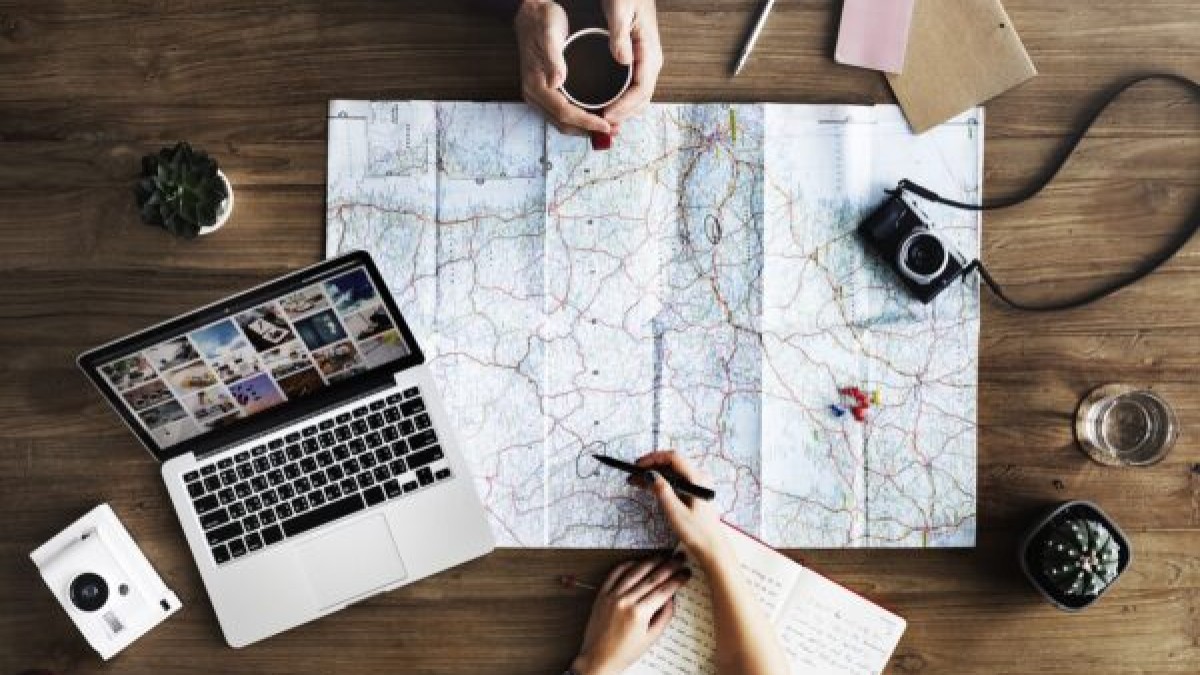
Travelling for work? Understand NZ tax rules on travel expenses, deductions, and what you can’t claim.
Previously published December 20th 2017
Do you travel for work? There are expenses you can claim against your income and there are those you cant. Here business.govt.nz gives us the low down.
What can you claim?
In general, when you’re away from home you can claim for:
- flights
- taxis, or mileage if you use your own car for business travel
- accommodation
- meals and snacks.
Accommodation
If you’re attending a work-related meeting, conference or training course that requires an overnight stay, you can claim the cost of accommodation, eg hotel, motel or short-term rental.
If an employee is working away from home for an extended period, eg on secondment, you can claim for accommodation, or any accommodation allowance you pay, as long as they won’t be gone for more than two years (or three years for capital projects).
Accommodation allowances (external link) — Inland Revenue
Food and drink
If you or one of your employees buys a meal while travelling on business, the cost is 100% deductible.
But you can only deduct 50% of the cost of food and drink if either:
- The trip is mainly for the purpose of enjoying entertainment, eg a team bonding trip.
- The meal or function involves an existing or potential business contact as a guest.
- A celebration where you won’t be working, eg a reception, or a staff Christmas party.
You or your employees can also claim for snacks and refreshments, eg tea and coffee, while they’re away if you normally provide these refreshments at work.
Meal and clothing allowances (external link) — Inland Revenue
Entertainment
On a work trip, you can claim the cost of entertainment if its purpose was to:
- build up business contacts, eg taking a potential client out for dinner
- keep your employees happy, eg providing tickets to a show
- promote your goods or services, eg offering food to entice customers to a stall at an expo.
If the entertainment is helping you earn your income, it’s usually deductible when it’s time to work out your tax.
Within New Zealand, entertainment expenses can be either 50% or 100% claimable — check with Inland Revenue.
If you’re travelling overseas, you can claim 100% of work-related entertainment expenses.
Entertainment expenses (external link) — Inland Revenue
If an employee is on a work trip, you can pay them an allowance to cover meals and day-to-day expenses.
You can claim this allowance as a business expense at tax time.
Travelling allowances (external link) — Inland Revenue
Overseas travel expenses
Keep detailed records if you’re travelling overseas on business — especially if you’re also taking a holiday at the same time.
If:
- You’re away on business but take a free half-day to enjoy exploring a new city, the personal part of the trip is incidental. You can claim all your travel expenses.
- You’re going on holiday but happen to meet up with a couple of business contacts while you’re there, the business part of the trip is incidental to the holiday. You can’t claim any of your travel expenses.
If you combine a business trip with a holiday, you must split out your expenses and only claim the portion that relate to the working part of the trip.
The best way to do this is to keep an itinerary or diary. It should provide enough information to calculate all your costs and make a reasonable split between business and personal expenses.
As well as all the usual records, you should keep:
- letters of introduction
- business contacts/cards
- details of firms visited and business conducted
- details of time out from the business itinerary for personal purposes.
Overseas travel expenses doesn’t generally include GST.
Travel to buy assets or equipment
If the purpose of the trip is to buy business assets, travel expenses are usually treated as part of the cost of the asset — they’re a capital expense and can’t be claimed.
Business assets are the tools and equipment of your trade. A business asset could be a printing press or the art hanging in your office, as long as it:
- is valued at more than $500
- has a useful life of more than one year
- can’t be claimed in full as a business expense.
Assets — Inland Revenue
Common business asset checklists
Try to pay for anything that could be a claimable expense through your business account.
Then you’ve got an easy-to-record paper trail and your bookkeeping has all the information. Taking out cash to pay for things on your trip that are business related makes it more difficult to claim. If you do, make sure you have all the receipts to substantiate your claim.
Records to keep
Keep all expense receipts and invoices you receive — you don’t need to provide the receipts with your tax return, but will need them on hand if Inland Revenue asks for proof.
As well as invoices, receipts and tickets, you should also keep details of:
- reasons for the trip
- date of the trip
- your itinerary
- cost of car hire, and air, bus and taxi fares
- cost of accommodation, meals and incidentals, eg coffees or morning tea
- time spent on business and personal activities — a good way to prove the business portion of your travel expenses is by keeping a diary of your travels.
Categories: : Tax

Ask a room of tradies whether their branded double cab attracts FBT and most will say no. It's a work vehicle. It's got the logo on it. ...

The most significant change to payroll in over 20 years is here — a complete replacement of the Holidays Act.
We are half way through 2026 - What Do Payroll Professionals Need to Know

I’ve learned that most issues don’t start with bad intent. They start with assumptions.

KiwiSaver, Minimum Wage, ACC, Gateway test & the new Employers Leave Act, what you need to action before and after 1 April 26.
This is one of the most significant changes to New Zealand employment legislation in over two decades — and you have less than a week to i ...
